In the daily grind of professional life, designers often find themselves running on empty—juggling backlogs of projects, rushing deadlines, and site inspections. The relentless pressure of long hours leaves them not only unaware of emerging materials in the market but also increasingly fuzzy on the fundamentals of common materials. Yet without a deep understanding of materials, designers struggle to realize their concepts, let alone achieve high-quality designs. This article unveils 10 cutting-edge decorative materials that have gained significant attention in recent years, empowering you to advance further in your design journey.
The Importance of New Decorative Materials
Gaining a deep understanding of new decorative materials is key to enhancing design quality. The materials introduced in this article provide designers with a wealth of options.
一、Translucent Concrete
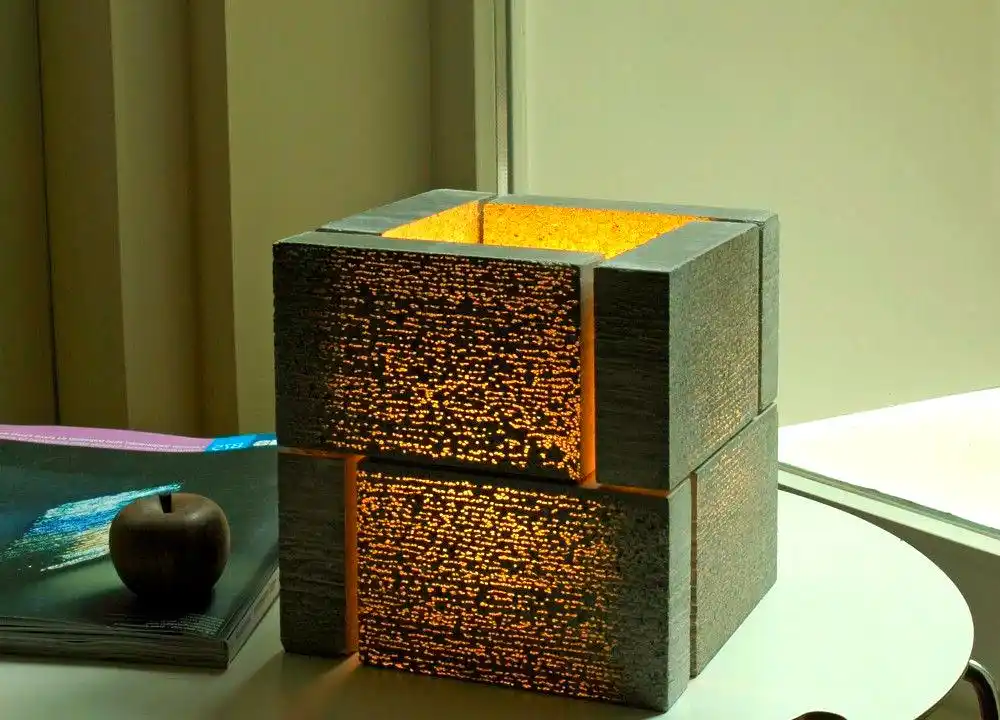
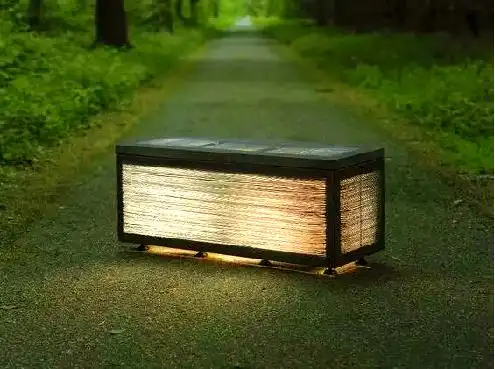
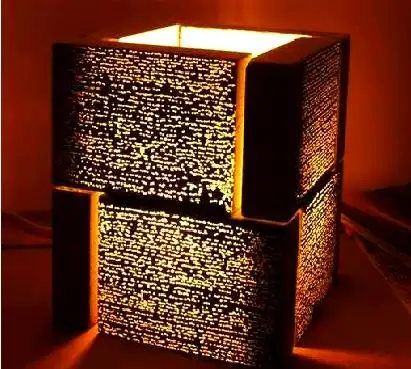
Translucent concrete, this innovative decorative material, integrates a large number of optical fibers with refined concrete, endowing it with glass-like translucency while retaining the robust strength of traditional cement.
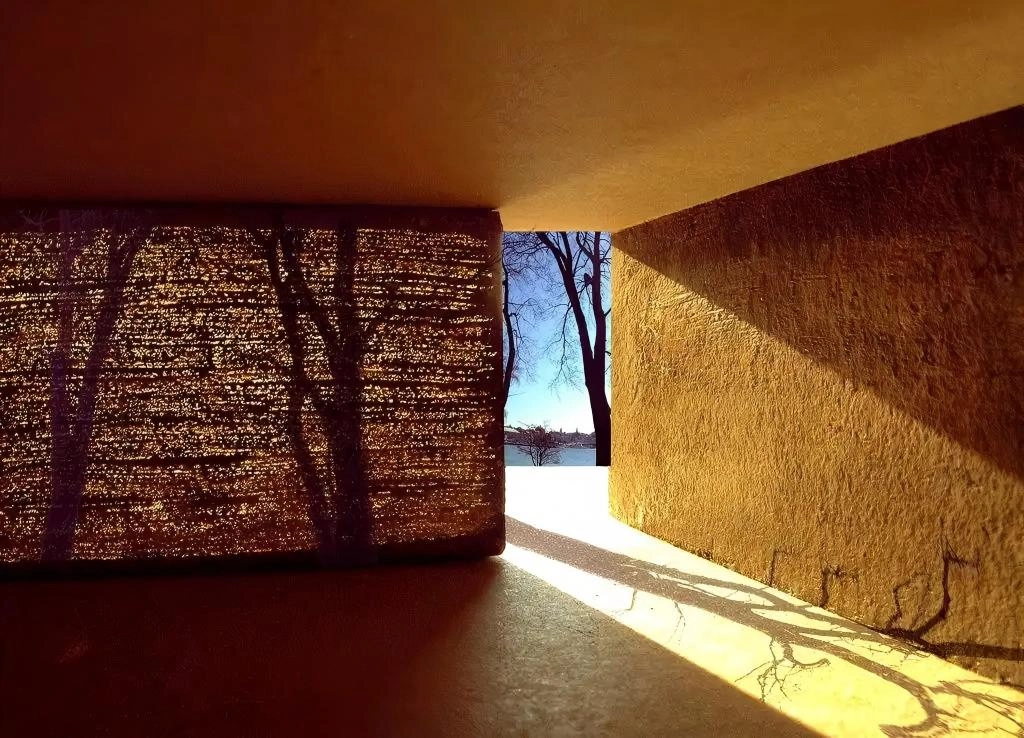
Under the illumination of light sources, translucent concrete reveals a distinctly different decorative effect.
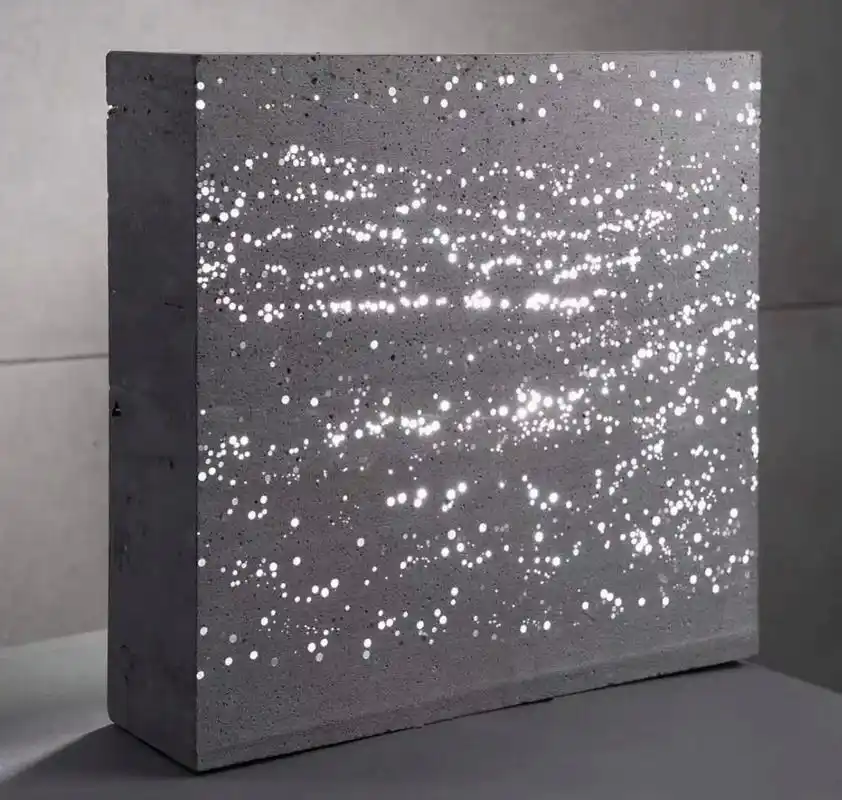
二、Light-Transmitting Concrete Properties
Its unique translucency allows it to showcase distinctive artistic charm in both daytime and nighttime applications.
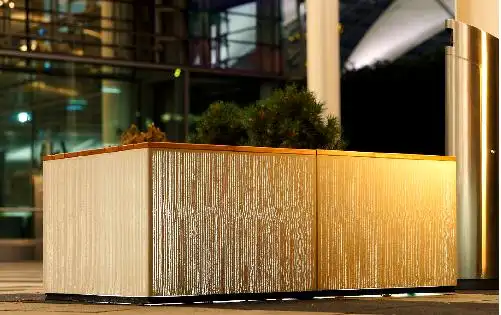
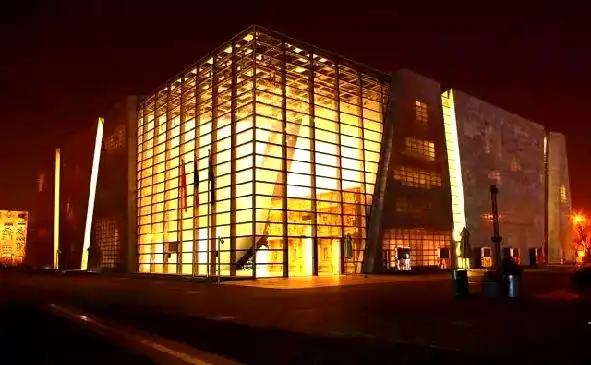
Application Scenarios
Moreover, when combined with dynamic lighting effects, translucent concrete further accentuates its aesthetic qualities, expanding the diversity of its decorative applications.

三、Water-rippled stainless steel
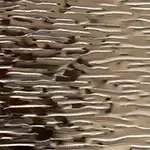
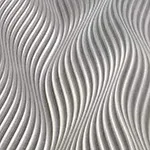
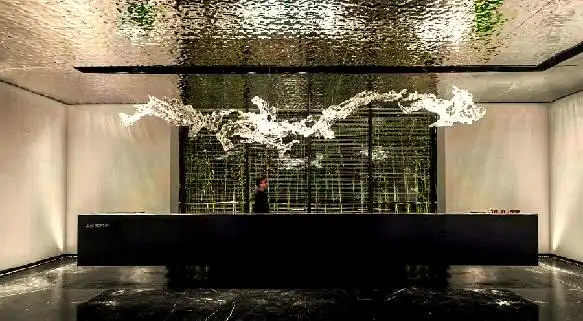
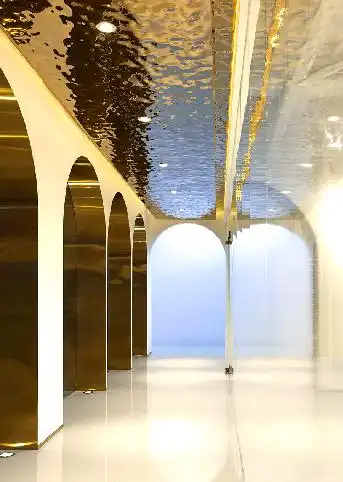
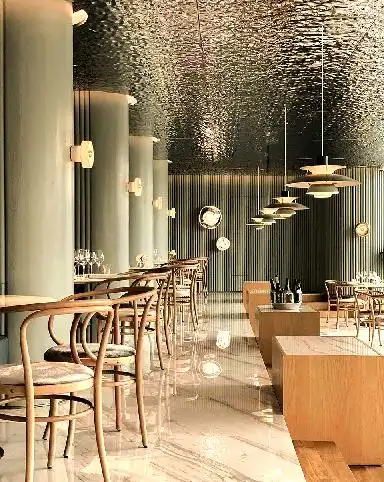
Can stainless steel—a material traditionally regarded as a symbol of strength and resilience—reveal a different kind of charm? When these two elements merge, what visual beauty emerges? The design concept of water ripple stainless steel was born, ingeniously combining the durability of stainless steel with the soft beauty of water ripples.

The fusion of stainless steel and water ripples
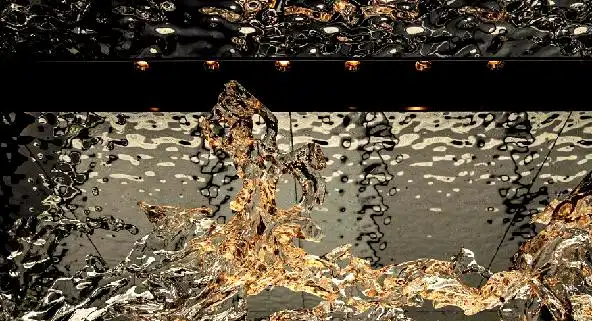
It showcases the material's texture while offering a unique visual experience, allowing one to appreciate the aesthetic charm that harmoniously blends strength and softness.
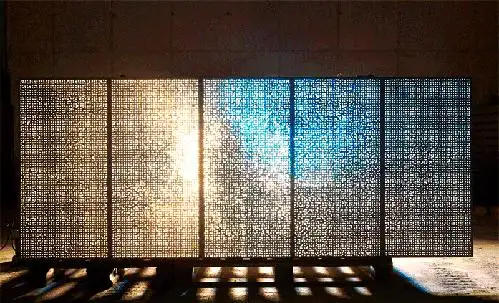
Lighting Effects
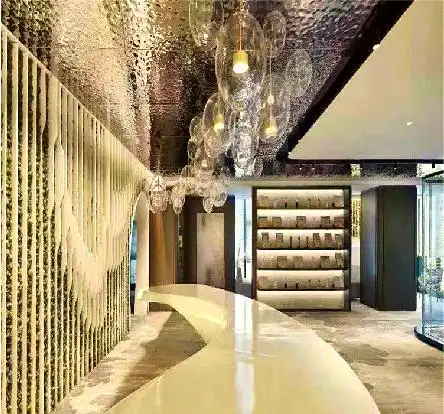
Even more interestingly, the curved design causes light to undergo diffuse reflection, a type of reflection that is more delicate and gentle compared to specular reflection.
四、Ultra-thin Flexible Stone
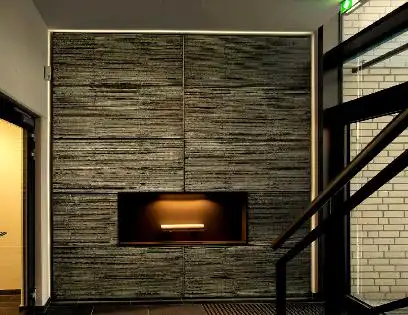
Ultra-thin flexible stone, born from cutting-edge German technology, utilizes glass fiber and specially selected resin adhesive to penetrate deep into the stone's interior, reinforcing its pores. Through a unique patented process, thin stone sheets are meticulously “delicately peeled” from natural slate and quartz mica, creating an innovative decorative material.
Material Processes and Properties
The application of ultra-thin flexible stone relies on specific rock foundations, namely shale and sedimentary rock. These rocks are highly favored for their natural layered characteristics. By employing 0.5mm fiberglass polyester as the backing reinforcement material, the product not only maintains its thickness but also significantly enhances material stability, achieving an astonishing thickness of 1mm.
Applications and Prospects
Additionally, with the aid of nano-processing technology, rock layers can be naturally separated into stratigraphic structures as thin as 0.5 millimeters.
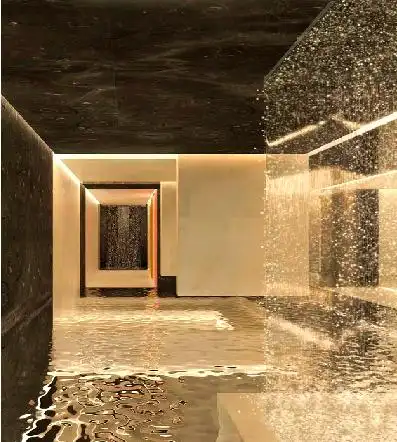
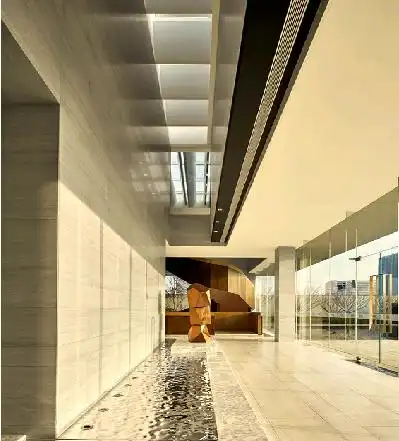
五、Other new materials
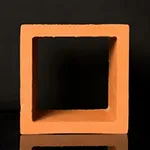
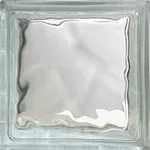
Glass blocks hold a significant position in the field of interior design, frequently employed in high-end spaces to create a dazzling and captivating ambiance.
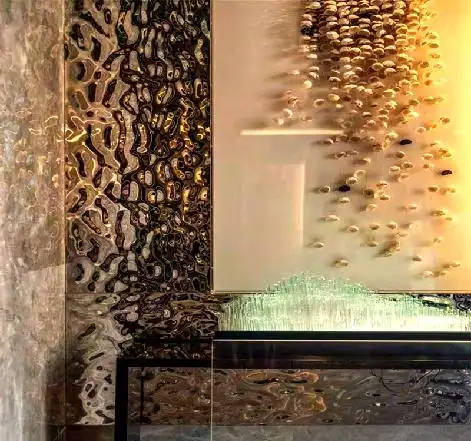
Glass bricks and rammed earth cement
Crafted with precision-ground cement and other carefully selected raw materials through multiple processes including pouring and molding. By integrating eco-friendly traditional techniques with modern materials and technologies, we have successfully developed an innovative ultra-thin, large-format product. With a minimum thickness of 3mm and maximum length of 5 meters, it offers a groundbreaking new option for the domestic market.
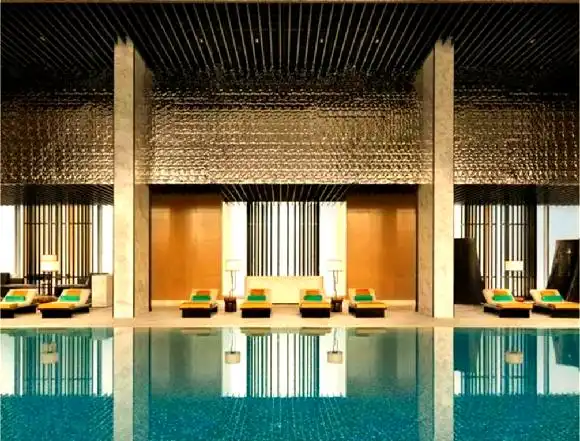
Aluminum Honeycomb Panels and Stone Slabs
Aluminum honeycomb panels, a metal composite product incorporating aerospace composite honeycomb technology, stand out for their unique “honeycomb sandwich” structure. High-strength alloy aluminum sheets serve as the top and bottom layers, coated with highly weather-resistant decorative finishes. These sheets are then bonded to an aluminum honeycomb core through high-temperature, high-pressure lamination, creating this high-performance composite material.
Additionally, the surface material of aluminum honeycomb panels is not limited to aluminum alloy; it can also be customized with various other materials based on individual or client-specific requirements.
PU Stone and Translucent Panel
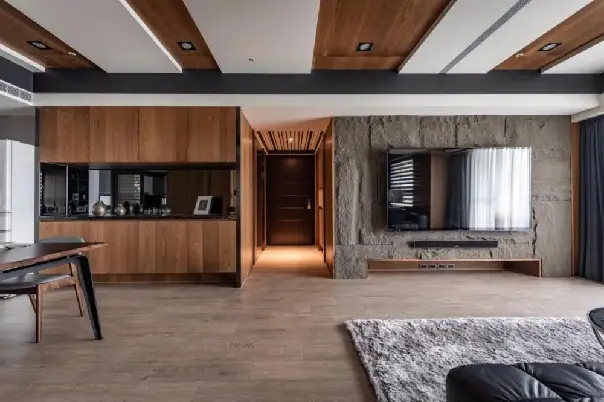
In recent years, textured stone finishes have become increasingly common in classic countertop designs, captivating designers with their distinctive visual impact. However, the market also offers a stone-like finish material called PU stone, which closely mimics the properties of real stone while offering significant advantages in price and ease of use.
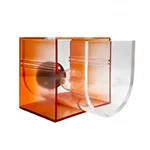
Light guide plates, also known as acrylic light guide plates, leverage the exceptional light transmission properties of acrylic. Through sophisticated engraving and embedding techniques, these plates deliver diverse lighting effects to meet various design requirements.
Microcement Properties and Applications
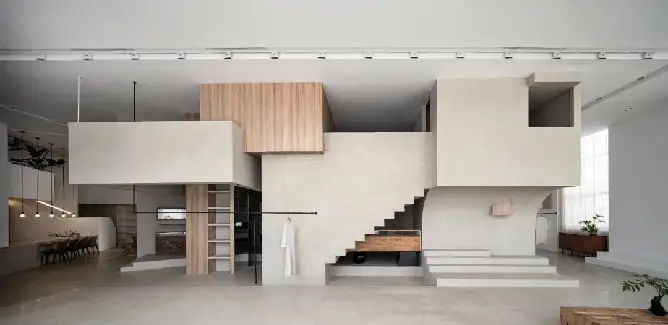
Microcement, this novel surface finishing material that has rapidly gained prominence in Europe in recent years, bears little resemblance to the ordinary cement used in construction and hydraulic engineering despite its name. Its uniqueness lies in combining the strength of cement, the flexibility of water-based resins, the toughness of modified polymers, and the abrasion resistance of quartz. This results in high strength, thin thickness, seamless application, and outstanding waterproofing performance.
In this article, we unveil ten innovative materials: translucent concrete, glass blocks, water-rippled stainless steel, ultra-thin flexible stone, rammed earth cement panels, microcement, PU wall panels, stone slabs, light-transmitting panels, and honeycomb aluminum panels.